
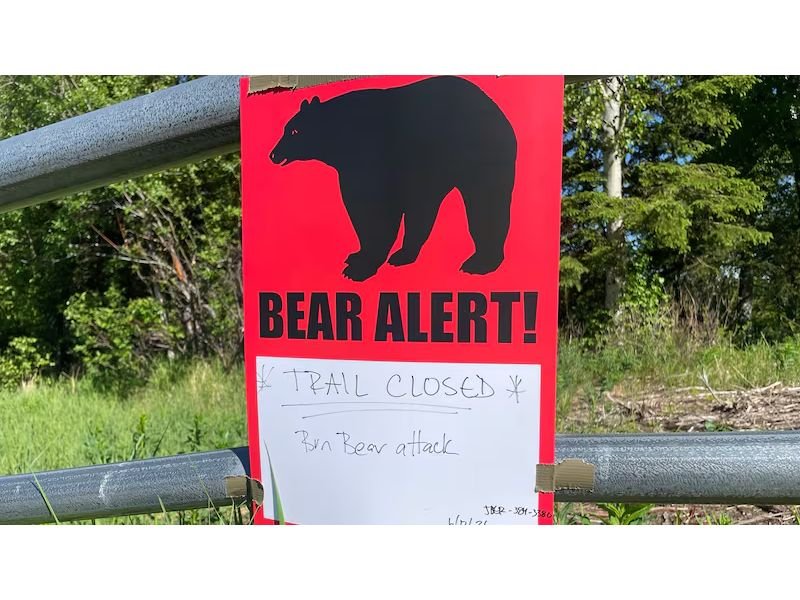
Colorado Wildlife Officials Share Bear Safety Tips as More People Head Outdoors This Summer
GRAND JUNCTION, COLORADO – As summer approaches and more people spend time outdoors across Colorado, wildlife officials are reminding residents and visitors alike about bear safety, urging them to take precautions before heading into the state’s campgrounds and backcountry.
Rachael Gonzales, public information officer for Colorado Parks and Wildlife’s Northwest Region, said the state’s natural beauty draws people into areas that are also home to bears year round. She noted that while Colorado offers both designated campgrounds and backcountry options, it’s important for visitors to remember that those same spaces are part of bear habitat, not separate from it.
Proper Food Storage Tops the List of Precautions
According to Gonzales, food storage remains one of the most critical steps people can take to avoid attracting bears in the first place. She said visitors should make sure to stash their trash properly and keep food either locked securely in their vehicle or stored in the bear-proof bins available at most designated campgrounds.
Bears’ sense of smell plays a major role in why these precautions matter so much. Gonzales explained that bears can detect scents from as far as five miles away, meaning even something as seemingly harmless as flavored ChapStick can draw their attention. She recommended simple habits like changing clothes after cooking or eating to help reduce the chances of attracting a curious bear to a campsite.
What to Do During a Bear Encounter
If a bear is encountered in the wild, Gonzales said the goal should be to make the animal feel uncomfortable rather than to run. She advised people to stand their ground if a bear begins showing aggression or moving toward them, making themselves appear as large as possible and clearly signaling their presence before slowly backing away from the area.
In the rare event that an encounter escalates into an actual attack, Gonzales said people should fight back and call 911 immediately. For situations involving an aggressive bear that doesn’t result in an attack, she said people can instead contact their local Colorado Parks and Wildlife office to report the encounter.
Stay updated for the latest news as this story develops.